Allied Nation Co-Investment in Defense Tech: Opportunity or Operational Nightmare?
 S. Vance
Allied nation co-investment in defense tech is one of those topics that sounds straightforward until you're three months into diligence and your lawyer hands you a 40-page CFIUS risk memo.
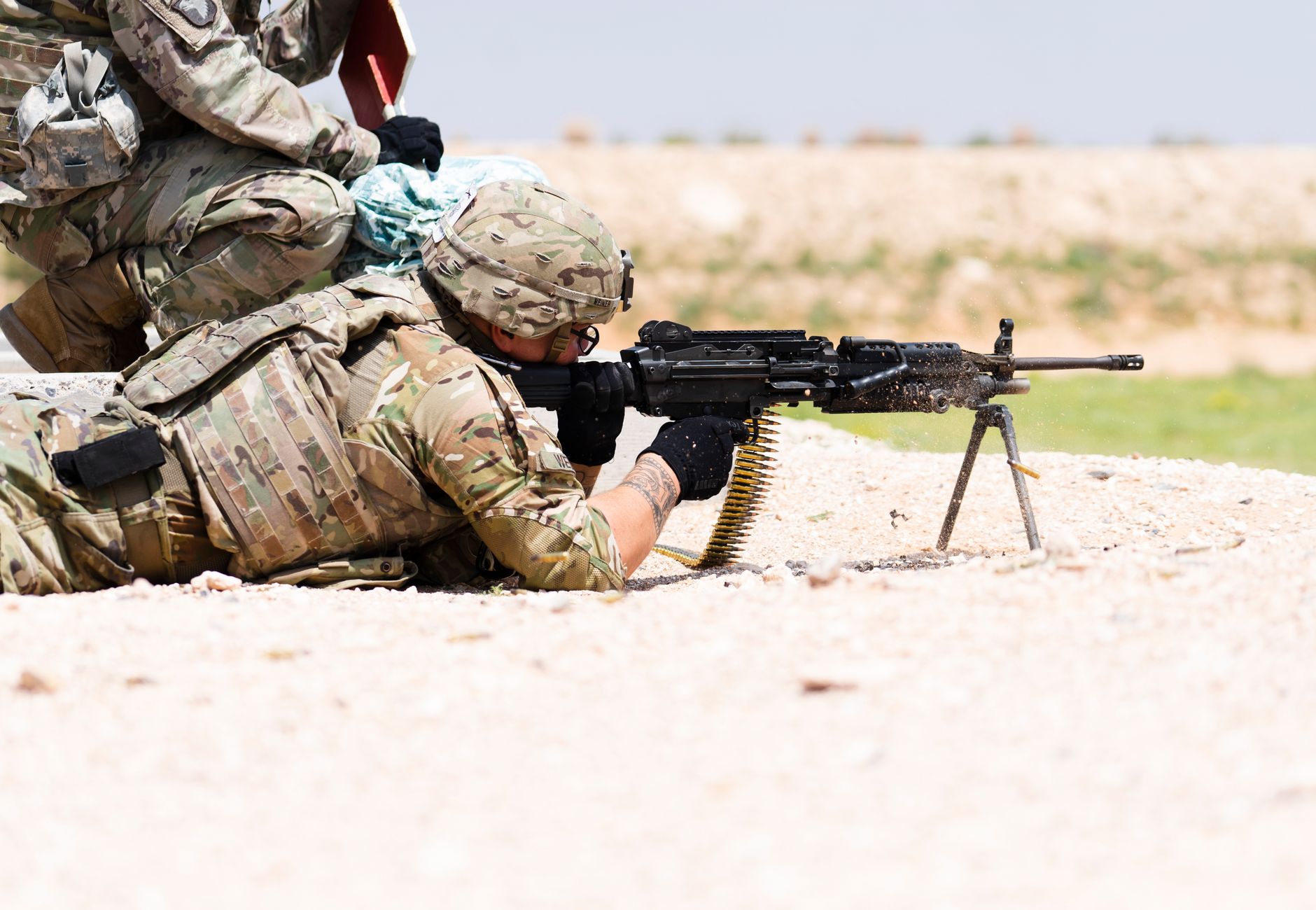 Photo by Matthew Hintz on Pexels.
The pitch is obvious: Five Eyes partners, NATO allies, and close regional partners like Japan and South Korea all want access to the same dual-use technologies the U.S. defense establishment is chasing. Autonomy, directed energy, secure communications, hypersonics-adjacent sensing. Their sovereign wealth funds, defense ministries, and allied-nation VCs have capital to deploy. American startups need that capital. Why not match the two?
Some deals do work. In practice, though, the gap between "allied" and "cleared for co-investment" is wider than most founders expect, and most allied-nation investors underestimate it too.
The CFIUS Problem Isn't Hypothetical
CFIUS (the Committee on Foreign Investment in the United States) review isn't reserved for adversary nations. Australia, the United Kingdom, Canada, all close allies, can still trigger mandatory or voluntary filings depending on the target company's TID U.S. business classification. That means any startup touching critical technology, critical infrastructure, or sensitive personal data.
For defense tech startups, almost everything qualifies.
A filing alone isn't a death sentence. But the timeline adds 30–45 days minimum, often more. The mitigation agreements that CFIUS sometimes requires, National Security Agreements, Special Security Agreements, can impose board composition restrictions, auditing requirements, and technology access controls that functionally neuter the value of the foreign investor's involvement. Some founders sign these agreements without fully understanding what they've agreed to. Years later, they discover they can't pivot the product, can't hire certain nationalities for key roles, and can't close a follow-on round without re-triggering review.
Export Controls Compound the Problem
CFIUS governs who can own equity. Export controls govern what information those owners can access. These are separate regimes, and confusing them is expensive.
EAR (Export Administration Regulations) and ITAR (International Traffic in Arms Regulations) don't care whether your investor is from a friendly country. If a British investor sits on your board and your engineers brief them on controlled technical data in a standard board meeting, you may have just committed an export control violation. The "deemed export" rule treats sharing controlled technology with a foreign national, regardless of location, the same as exporting it.
The practical consequence: many defense tech startups that accept allied-nation investment have to create bifurcated governance structures. One board or advisory layer with full access. Another with restricted visibility. It's operationally messy, and it signals to your U.S. government customers that your cap table needs explaining, which is never a conversation you want to have mid-proposal.
Where Allied Co-Investment Actually Makes Sense
None of this means the answer is always no. The deals that work share a few common traits.
graph TD
    A[Allied Investor Interest] --> B{TID Classification?}
    B -->|Yes| C[CFIUS Filing Required]
    B -->|No| D[Voluntary Review Assessment]
    C --> E{Mitigation Required?}
    E -->|Yes| F[NSA / SSA Negotiation]
    E -->|No| G[Cleared, Proceed]
    F --> G
    D --> G
First, the technology has genuine dual-market application, not just theoretical dual-use, but real commercial traction in the allied nation's domestic market. A startup selling maritime surveillance software that a Five Eyes partner genuinely wants to deploy has a cleaner story than one retrofitting a pitch to chase foreign capital.
Second, the investor has done this before. Allied-nation VCs who are CFIUS-naive create more risk than they solve. The best partners in this space, certain UK MOD-adjacent funds, some Australian Strategic Policy Institute-linked vehicles, understand the filing process, have outside counsel with CFIUS experience, and won't blow up a deal timeline because they're surprised by the complexity.
Third, the startup's legal structure can accommodate the requirements before the term sheet is signed. Proactive structuring, not reactive scrambling, is the difference between a clean close and a six-month nightmare.
The Founder Mistake Nobody Warns You About
Here's the thing most founders get wrong: they treat allied-nation investment as purely a capital question. Is this money good? Can we use it? Will it close?
But government customers, particularly DoD, IC, and their Five Eyes counterparts, pay close attention to cap tables. An unexpected foreign investor, even an allied one, can trigger additional vetting in a contract award. It can slow a clearance facility decision. It can create awkward questions during a program of record pursuit that you didn't anticipate when you took the check.
Taking allied capital isn't inherently disqualifying. Taking it without a clear story, without proactive disclosure, and without a legal structure that can withstand scrutiny, that's where founders get hurt.
The capital is real. The opportunity is real. So is the operational overhead. Know what you're buying before you cash the check.
Get Critical Tech Ventures in your inbox
New posts delivered directly. No spam.
No spam. Unsubscribe anytime.