The Congressional Earmark Problem: Why Defense Tech Startups Misread Budget Cycles and Pay for It
 S. Vance
Most defense tech founders treat the federal budget like a vending machine. You win a contract, press the button, and money comes out. What actually happens is closer to waiting for a vending machine that gets its power cut every October, refilled on an unpredictable schedule by a committee of 535 people, and occasionally raided by someone who decided your shelf space belongs to a project in their home district.
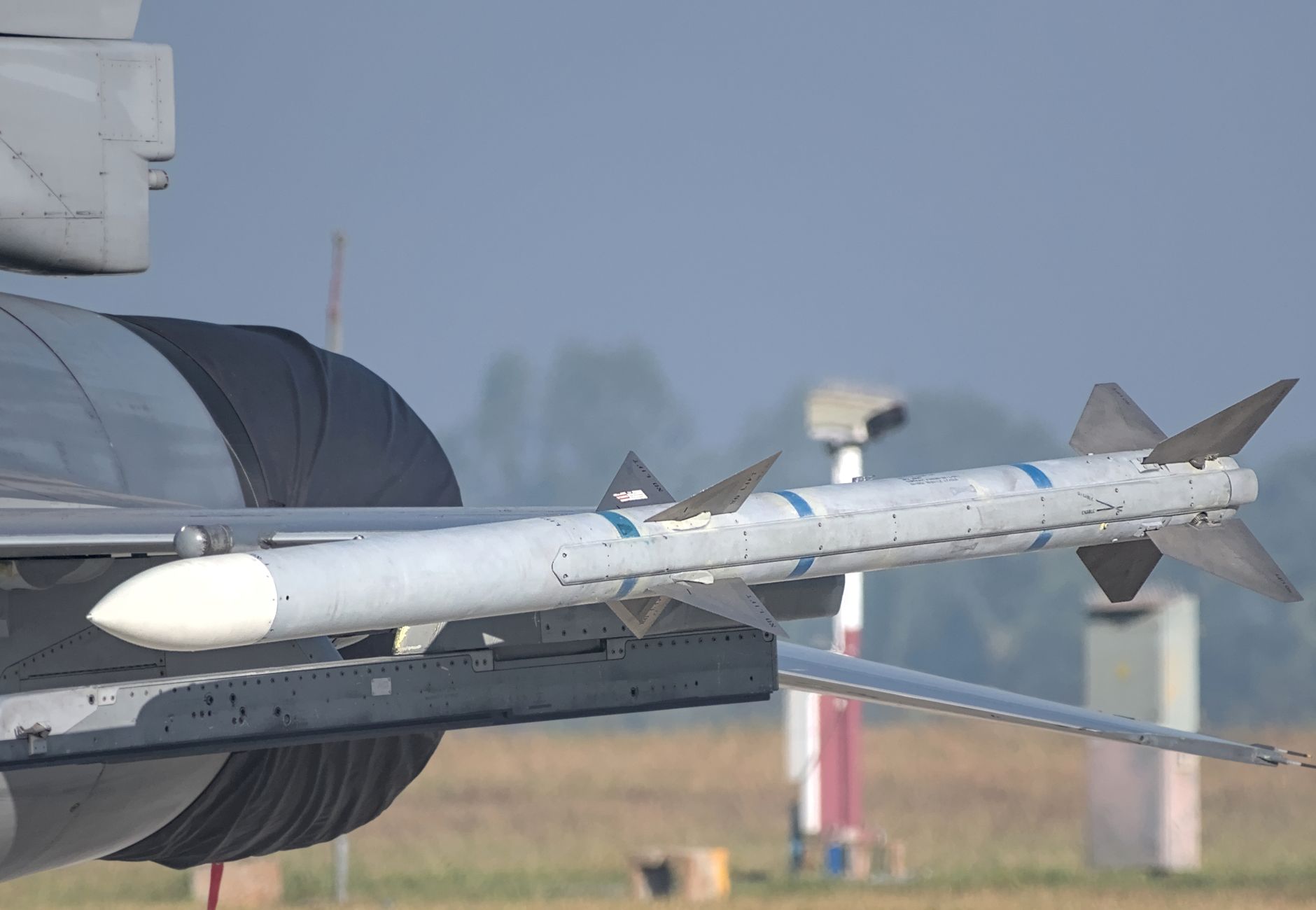 Photo by Aseem Borkar on Pexels.
Congressional earmarks are back in force. After a decade-long moratorium, member-directed spending returned in the FY2022 appropriations cycle, and it has grown steadily since. In FY2024, the House and Senate processed over 7,000 earmark requests totaling roughly $15 billion across defense and non-defense accounts. For defense tech startups operating in the middle tiers of DoD acquisition, that number matters because earmarks do not flow neutrally through the system. They redirect existing budget lines, create new ones, and sometimes simply crowd out programs that were already funded in the President's Budget Request.
Here is the piece that rarely gets explained clearly: the President's Budget Request (PBR) and what Congress actually passes are two different documents. A startup that reads the PBR and sees its program of record funded at $40 million has not read its contract. Congress can cut that line, add language restricting how it gets spent, transfer it to a different account, or attach it to a committee report requiring a separate briefing before obligation. Any one of those steps adds months. All of them together can push obligation into the next fiscal year entirely.
Continuing resolutions compound the problem in ways that hurt smaller vendors disproportionately. When Congress fails to pass a full appropriations bill by October 1, agencies operate under a CR at prior-year funding levels. New program starts are generally prohibited under a CR. That means a startup whose contract was structured as a new start waits, burning runway, while the government operates under rules that legally prevent them from cutting the first check. A CR that runs through March is not unusual. A CR that runs the full fiscal year (an omnibus passed in September) happens more often than the venture world acknowledges.
What does this mean in practice for founders and their investors?
First, your financial model needs a budget cycle buffer of at least six months beyond any expected contract award date. If the program office tells you obligation is expected in Q4 of the fiscal year, plan for Q2 of the following year. Consistently. Not as a pessimistic scenario but as your base case.
Second, track the authorization and appropriations process as a primary business intelligence function. The National Defense Authorization Act (NDAA) and the defense appropriations bill move on separate tracks. Authorization does not equal appropriation. A program can be authorized at full value and appropriated at zero. This happens. Your government affairs function, whether internal or outsourced, should be watching markup sessions, reading committee reports, and flagging any language that touches your program area.
Third, understand where earmarks create opportunity as well as disruption. Member-directed spending sometimes funds prototype efforts that never appeared in the PBR. A congressional champion in the right committee can insert language directing DoD to evaluate a specific technology or run a competitive demonstration in an area where you operate. This is not a substitute for organic acquisition traction, but it is a real lever that mature defense companies use routinely and that most startups ignore because it requires sustained relationship investment rather than a pitch deck.
graph TD
    A[President's Budget Request] --> B{Congressional Markup}
    B --> C[Authorization - NDAA]
    B --> D[Appropriation - Defense Bill]
    D --> E{Full Appropriation Passed?}
    E -->|Yes| F[Program Office Obligation]
    E -->|No| G[Continuing Resolution]
    G --> H[New Starts Blocked]
    G --> E
    F --> I[Contract Award]
The diagram above is not theoretical. Every defense tech startup operating on government revenue runs this gauntlet every year. The companies that survive it have either diversified their revenue enough that a delayed obligation is painful but not fatal, or they have built genuine relationships with program offices who advocate internally for keeping their line items intact through the legislative process.
Venture investors evaluating defense tech deals should treat government revenue projections with the same skepticism applied to enterprise SaaS pilots that haven't closed. The letter of intent is not the contract. The contract is not the obligation. The obligation is not the payment. Each step has a timeline, and Congress owns several of them.
Budget cycle literacy is not a nice-to-have for defense tech founders. Founders who learn it early stop being surprised. The ones who don't tend to discover it during a board meeting where the question is whether to extend runway or shut down.
Get Critical Tech Ventures in your inbox
New posts delivered directly. No spam.
No spam. Unsubscribe anytime.