The ITAR Trap: Why Defense Startups Miscalculate Export Control Costs Until It's Too Late
 S. Vance
Most defense founders treat ITAR as a legal problem. Hire a compliance attorney, register with the Directorate of Defense Trade Controls, build a compliance manual nobody reads, and move on. That mental model gets companies into serious trouble.
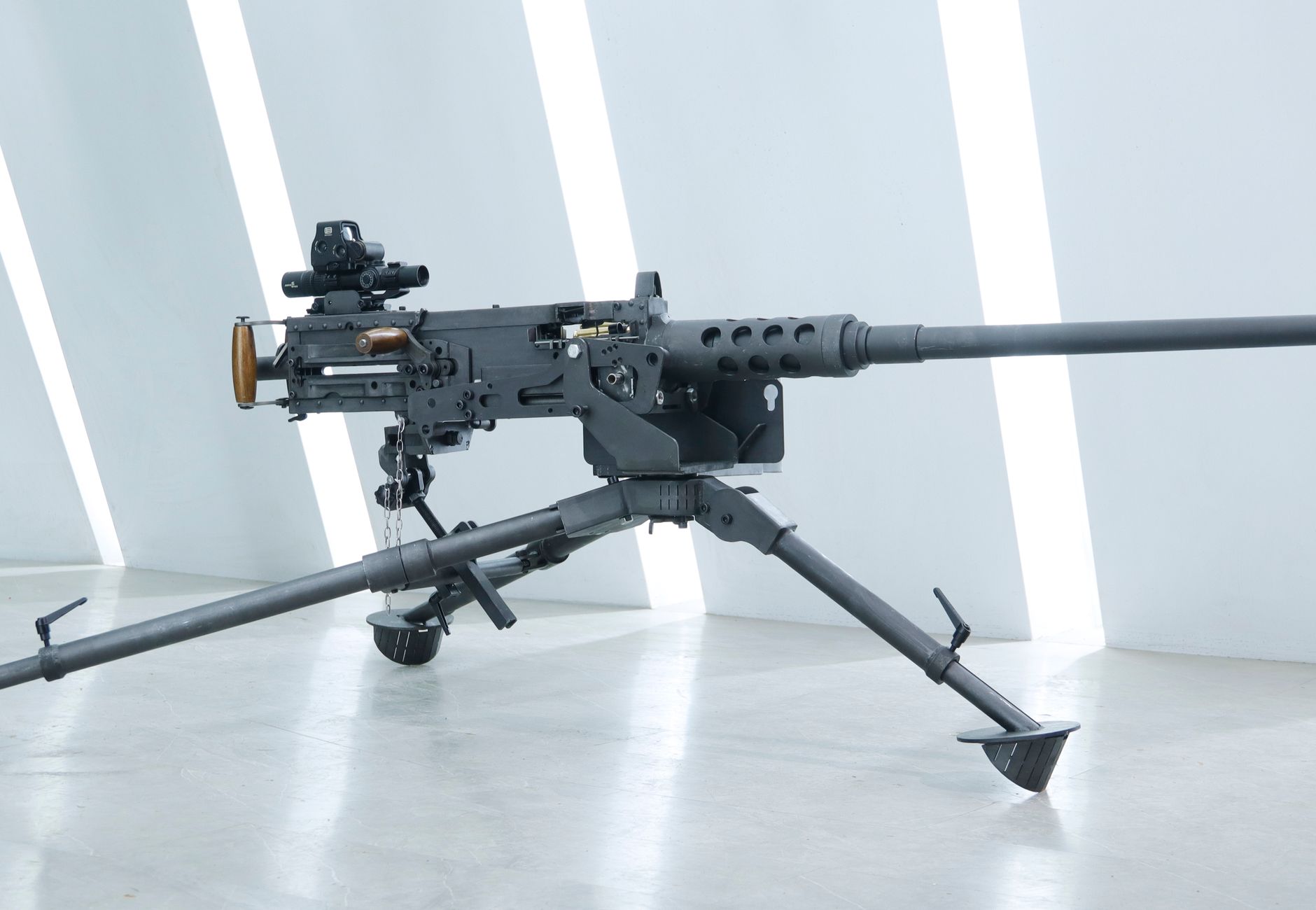 Photo by Abusaiya CLUVENS on Pexels.
ITAR (the International Traffic in Arms Regulations) governs the export of defense articles and services on the U.S. Munitions List. Violating it carries criminal penalties up to $1 million per incident and 20 years in prison. Those numbers get people's attention. What gets less attention is the slow, structural drag ITAR places on every major operating decision a defense startup makes, long before anything resembling a violation occurs.
Start with hiring. Employing a "foreign person" under ITAR without a license or agreement is itself a deemed export. That means a French national working on your radar signal processing software, in your own office, on U.S. soil, may require a Technical Assistance Agreement or a license from State. The approval timeline runs 60 to 90 days on a good day. In a competitive recruiting environment where a candidate has three offers, that timeline is a dealbreaker. Founders who haven't built this into their hiring process learn about it the hard way, usually when they've already verbally committed to someone.
The cap table issue is equally underappreciated. ITAR's "foreign person" definition covers entities, not just individuals. A fund with more than 25% foreign ownership, or with foreign nationals in control positions, can create disclosure obligations and approval requirements that slow or block fundraising rounds. This overlaps with FOCI (Foreign Ownership, Control, or Influence) rules under NISPOM, but ITAR carries its own separate teeth. A Series A with a Singapore sovereign wealth fund co-investing sounds like a validation win. It can become a six-month compliance detour.
Product decisions are where the costs compound quietly over time. Once your core technology sits on the USML, you're constrained on what you can demonstrate at trade shows, what you can share in a pitch deck marked "ITAR-controlled," and which international partnerships you can pursue without prior approval. One founder I know spent 18 months building a partnership with a Canadian defense integrator before realizing their specific sensor technology required a Manufacturing License Agreement, not just a standard TAA. Canada. One of the Five Eyes. Still required.
Here's a diagram of where ITAR friction points typically hit a defense startup's growth cycle:
graph TD
    A[Core Technology on USML] --> B(Hiring: Deemed Export Risk)
    A --> C(Cap Table: Foreign Investor Approval)
    A --> D(Product Demos: Disclosure Controls)
    B --> E{Delayed Recruiting}
    C --> F{Fundraising Friction}
    D --> G(International Partnership Delays)
    E --> H[Operating Cost Overrun]
    F --> H
    G --> H
The compounding effect is what kills timelines. Each friction point alone is survivable. Together, they add 6 to 18 months to milestones that investors priced assuming a commercial-style cadence.
So what does smart ITAR management actually look like at the early stage?
First, get a classification opinion before you incorporate your product roadmap into investor materials. A formal commodity jurisdiction determination from State (or a well-reasoned EAR classification if you believe your technology falls under Commerce jurisdiction) gives you a defensible baseline. It costs money upfront. It costs far more retroactively.
Second, build ITAR compliance into your data room from day one. Sophisticated defense-focused investors will ask. Generalist VCs who don't ask are the ones you should be educating, because they'll panic when they find out later and try to reprice the round.
Third, hire a Director of Export Controls before you think you need one. That title sounds like overhead. What it actually represents is a person who prevents your VP of Engineering from demoing classified-adjacent technology to a Korean investor on a Zoom call.
The companies that get this right early don't treat ITAR as a constraint layered onto their business. They build the compliance posture into the company architecture from the start, which means fewer surprises, cleaner cap tables, and a much smoother path through government due diligence when a prime or program office comes knocking.
ITAR isn't going away, and the Munitions List keeps expanding as new dual-use technologies get pulled in. Founders who understand the full operational cost of that reality raise smarter, hire smarter, and close customers faster than those who are still thinking of compliance as a checkbox.
Get Critical Tech Ventures in your inbox
New posts delivered directly. No spam.
No spam. Unsubscribe anytime.