Regulatory Moats in Defense Tech: How Smart Startups Turn Compliance Into Competitive Advantage
 S. Vance
Most defense tech founders treat compliance like a tax, something painful you pay so the government doesn't shut you down. CMMC certification, ITAR registration, FedRAMP authorization: they show up on the roadmap as blockers, budget sinks, and reasons the sales cycle takes 18 months instead of six.
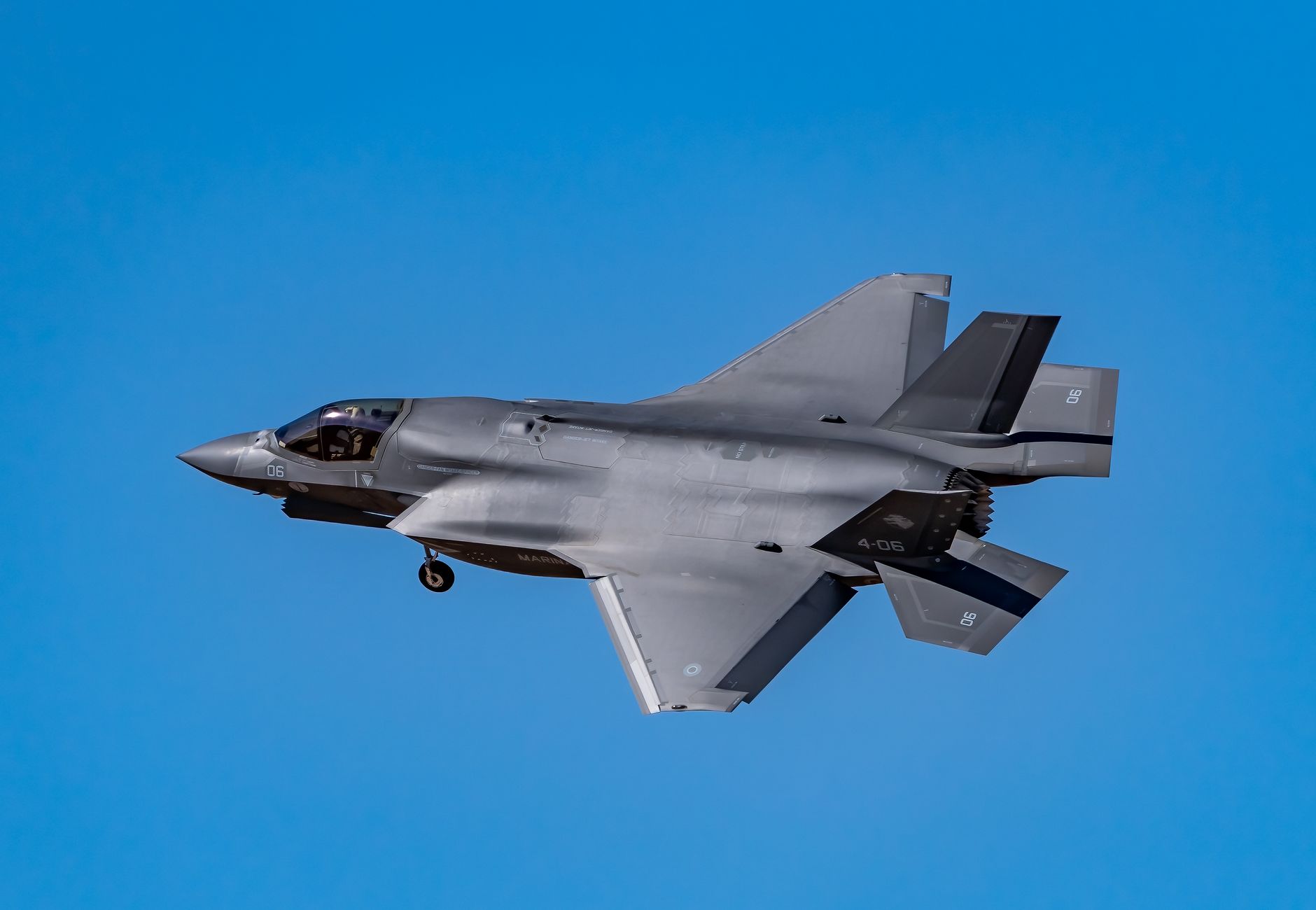 Photo by Rafael Minguet Delgado on Pexels.
That framing is exactly backwards.
The founders and investors who are building genuinely durable companies in this space have figured out something counterintuitive: the higher the regulatory burden, the more valuable the company that has already cleared it. Every dollar you spend getting to CMMC Level 2 is a dollar your next competitor has to spend before they can even bid on the same contract. And unlike a software feature, compliance infrastructure is slow, expensive, and deeply unpleasant to replicate.
This is a moat. Not a metaphorical one, a real, defensible, years-wide separation between you and anyone trying to catch up.
What Actually Constitutes a Regulatory Moat
Not all compliance creates equal value. There's a spectrum worth understanding.
At the low end, you have baseline requirements: SAM.gov registration, basic ITAR controls, standard export licenses. These are table stakes. Everyone who competes in this space eventually clears them. No moat here, just the cost of entry.
Where it gets interesting is the upper tier: FedRAMP High authorization (which takes 12-18 months of real engineering work and typically costs $1-3M before you see a dollar of revenue from it), CMMC Level 3 certification, NSA Commercial Solutions for Classified (CSfC) program inclusion, and, for the truly patient, achieving Authority to Operate inside classified enclaves. These don't just take money. They take time, cleared personnel, and institutional knowledge about what government auditors actually care about versus what the documentation suggests they care about.
That last part is genuinely hard to buy. You can hire a compliance consultant; you cannot easily hire the organizational memory that comes from living through a DISA audit and understanding where the real friction is.
graph TD
    A[Baseline Compliance] --> B(Moderate Barrier)
    B --> C{High-Tier Certifications}
    C --> D[/FedRAMP High/]
    C --> E[/CMMC Level 3/]
    C --> F[/CSfC Inclusion/]
    D --> G((Durable Moat))
    E --> G
    F --> G
Why VCs Systematically Misprice This
Here's a pattern you see constantly in defense tech term sheets from generalist investors: compliance costs get modeled as pure overhead, negative EBITDA with no corresponding asset value. The certification doesn't appear on the balance sheet. The cleared facilities don't show up in a standard SaaS-style unit economics model.
So when a generalist VC looks at two competing companies and one has spent $2M on FedRAMP High while the other hasn't started, the compliant company looks more expensive to run. Less efficient. Worse metrics.
What they're missing is the replacement cost. Ask a serious defense-focused buyer, a program office, a prime integrator evaluating sub-contractors, how they weight FedRAMP High authorization in a competitive evaluation. The answer is usually that non-authorized vendors aren't in the evaluation at all. The market segment is simply unavailable to them.
Pricing the moat correctly means treating those sunk compliance costs the way you'd treat a patent portfolio or an exclusive channel agreement: as an asset that generates durable pricing power and shrinks the competitive set.
How the Best Founders Build This Deliberately
The companies doing this well aren't stumbling into compliance, they're sequencing it intentionally.
They identify the single highest-value certification their target customer segment requires, pursue it relentlessly before scaling sales, and then use time-to-authorization as a deliberate wedge in competitive conversations. When a potential customer asks why they should pay a 30% premium over an uncertified competitor, the answer isn't "our product is better" (even if it is). It's: "Your program won't accept the other vendor for another two years. We're ready now."
That's a different kind of sales motion, and a much more defensible one.
The investment takeaway is straightforward, even if execution isn't: when you're evaluating a defense tech company, don't just audit their certifications as a risk-management exercise. Model them as assets. Ask what it would cost a well-funded competitor to reach the same compliance posture in 24 months. If the answer is "more than this company's current ARR," you're looking at real defensibility, the kind that actually holds up when a prime integrator or a foreign-backed competitor shows up with a better pitch deck and more engineers.
Compliance won't save a bad product. But in defense tech, a great product without the right certifications is just an interesting demo. The founders who understand that distinction, early, are the ones worth backing.
Get Critical Tech Ventures in your inbox
New posts delivered directly. No spam.
No spam. Unsubscribe anytime.