The SBIR-to-Series-A Pipeline Is Broken
 S. Vance
The Small Business Innovation Research program funds roughly $4 billion annually in early-stage R&D across federal agencies. It is the single largest source of non-dilutive funding for technology startups in the United States. And it produces an alarming number of companies that never make it to a venture-backed Series A.
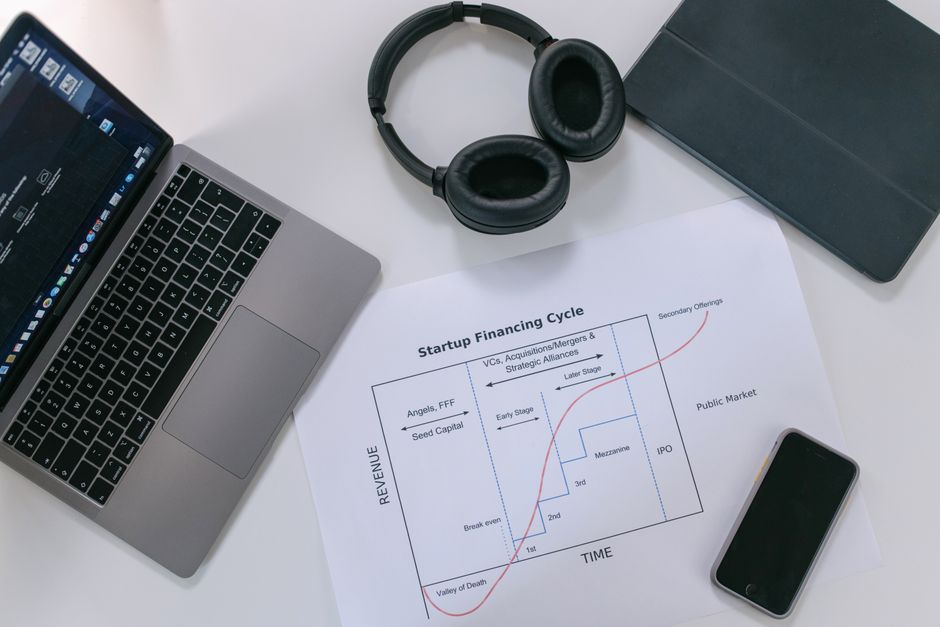
The problem is structural. SBIR Phase I grants are small -- typically $50K to $250K for a feasibility study. Phase II awards are larger, up to $1.5 million for prototype development. The timeline from Phase I to Phase II completion is usually three to four years. At the end of that runway, the company has a working prototype, a government customer relationship, and almost no commercial traction.
graph LR
    P1[SBIR Phase I<br/>$50K-$250K] --> P2[SBIR Phase II<br/>$1.5M]
    P2 --> VOD[Valley of Death]
    VOD -->|Many fail here| Graveyard[SBIR Mill / Stall]
    VOD -->|Few cross| SeriesA[Series A<br/>Venture Scale]
Venture capitalists look at a post-Phase-II SBIR company and see a business with $2 million in non-dilutive grant revenue, zero recurring commercial revenue, a product designed to government specifications that may or may not translate to a commercial market, and a team that has spent years in the SBIR ecosystem developing habits that do not translate to venture-scale growth. The valuation conversation is brutal.
The company cannot point to ARR because government contracts are project-based. It cannot point to product-market fit because the "market" was a single government program manager who wrote the SBIR topic. It cannot point to a scalable go-to-market motion because selling to the government requires a completely different muscle than selling to enterprise customers.
Some companies bridge this gap. They use the SBIR funding to build core technology, then pivot or expand to a commercial market where the technology has dual-use applications. Rebellion Defense, Anduril, and Shield AI all had defense technology roots but built venture-scale businesses by finding commercial or allied government markets that provided the revenue growth VCs need to see.
But most SBIR companies do not make that transition. They become what the ecosystem calls "SBIR mills" -- companies that survive by winning sequential grants, never achieving the commercial traction needed for venture investment, and never scaling beyond a small team running research projects.
The fix is not complicated in concept. Phase III -- the commercialization phase -- needs better on-ramps to both government programs of record and commercial markets. DoD needs to buy more from SBIR graduates through production contracts. And founders need to start thinking about venture-scale growth from Phase I, not after Phase II ends and the money is running out.
The pipeline exists. The bridge in the middle does not.
Get Critical Tech Ventures in your inbox
New posts delivered directly. No spam.
No spam. Unsubscribe anytime.